
Vietnamese cuisine is known for its vibrant flavors and fresh ingredients. Vegetables play a crucial role in Vietnamese dishes, adding color, texture, and an abundance of nutrients. In this article, we will explore the nine most popular vegetables in Vietnam and how they are enjoyed by locals.
Water Spinach/ Morning Glory (Rau Muong)
Water spinach, also known as morning glory, is a staple vegetable in Vietnam. The tropical climate creates the perfect conditions for its growth, making it readily available. Water spinach was once considered a humble vegetable of the poor, but it has now become an integral ingredient in Vietnamese cuisine. From sautéed garlic spinach to raw salads and noodle dishes, water spinach is a versatile and essential part of daily meals for many Vietnamese.

Cabbage (Bap Cai)
Cabbage is another popular vegetable in Vietnam, especially during the cold season. Vietnamese housewives often include cabbage in their top list of ingredients. Rich in vitamins and disease-fighting properties, cabbage is both nutritious and delicious. Its gentle sweetness sets it apart from lettuce, making it a favorite among vegetarian lovers.

Bamboo Shoots (Mang)
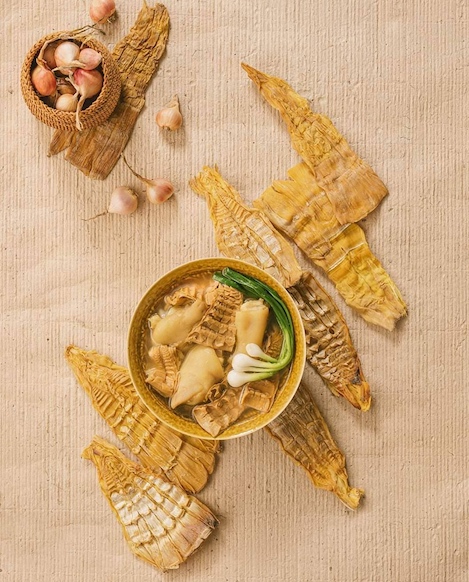
Bamboo shoots are not only a beautiful sight in Vietnam but also a valuable source of food. Scientific research shows that bamboo shoots are high in dietary fiber, vitamins, and minerals, making them a healthy choice. In Vietnam, fresh bamboo shoots are commonly used in soups, while fermented bamboo shoots are enjoyed with various dishes, similar to Vietnamese Kimchi.
Chayote (Su su)
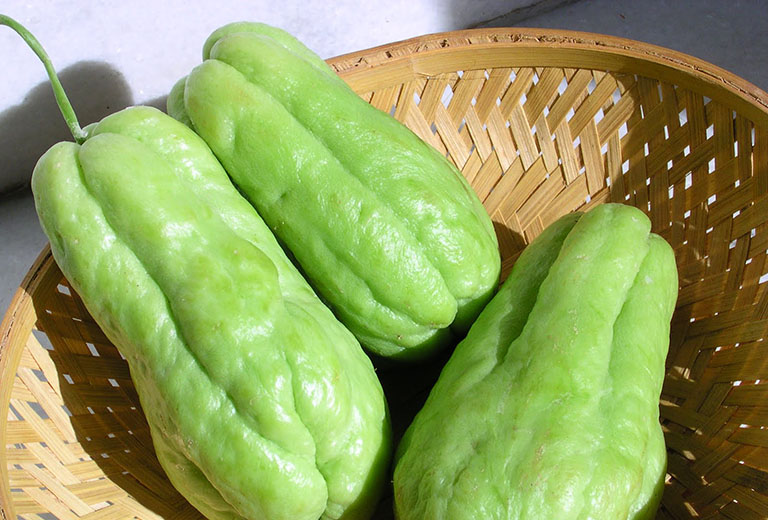
Chayote is gaining popularity in northern Vietnam. Its versatility allows it to be used in various dishes, as every part of the chayote fruit is edible. The leaves and roots are often sautéed with garlic, while the sweet flesh is boiled and served with roasted peanuts. These dishes have become emerging specialties in Vietnam, loved for their unique flavors.
Kohlrabi (Su Hao)
Kohlrabi, a member of the cabbage family, is a unique vegetable with a thick round white stem that is edible. If you enjoy broccoli stalks, you will likely love kohlrabi. It has a sweet and crunchy taste, making it perfect for both hot soups in winter and refreshing summer dishes. Fermented kohlrabi with its crunchy flavor is also a popular choice.

Bitter Melon (Muop Dang- Kho Qua)
Despite its name, bitter melon is widely enjoyed in Vietnam. The rough surface and bitter flavor do not deter locals from savoring this vegetable. It is often stir-fried with eggs or used in delicious bitter melon soup, a refreshing dish during the summer. Bitter melon is also considered an integral part of the Tet holiday menu, symbolizing the belief that bitterness will pass, paving the way for happiness.

Ceylon Spinach (Rau Mung Toi)
Ceylon spinach holds a special place in Vietnamese culture, often appearing in poems and folk verses. It represents rustic beauty and evokes memories of family gatherings around simple meals. The combination of ceylon spinach with crab meat, jute, and luffa creates mouth-watering soups, perfect for hot summer days. Stir-fried ceylon spinach with garlic has also gained popularity in Vietnamese cuisine.

Cucumber (Dua Chuot)
Cucumber is a go-to vegetable for Vietnamese during the summer. Its mild, almost watery flavor with a hint of melon makes it ideal for refreshing dishes. Sliced cucumbers are a common ingredient in submarine sandwiches, while raw cucumbers are essential for most salads. Pickled cucumber is also a delicacy enjoyed in Vietnamese cuisine.

Choy Sum (Cai Lan)
Choy Sum is a versatile vegetable used in many Vietnamese soups. With its subtly bitter flavor and long-lasting sweetness, it enriches the flavors of hotpots when dipped into broth. It can also be enjoyed raw in salads, stir-fried with beef or mushrooms, or boiled as a normal vegetable. However, it is essential to wash Choy Sum thoroughly due to the use of pesticides by farmers.

These nine vegetables form the foundation of Vietnamese cuisine. Whether in soups, stir-fries, or salads, they add freshness, flavor, and nutritional value to every dish. To experience the authentic taste of Vietnamese vegetables, visit Rừng Cúc Phương, an online store offering a wide range of fresh and organic produce.
So why not incorporate these popular Vietnamese vegetables into your own cooking and enjoy the vibrant flavors of Vietnam?


