
Hidden amidst ancient forests, the Yen Tu Religious Complex is a mystical sanctuary adorned with ancient pagodas, sacred shrines, and holy relics. This extraordinary blend of history, religion, and nature offers a serene escape from the chaos of city life, beckoning seekers of inner peace.
Location
Situated at the intersection of Quang Ninh and Bac Giang provinces, the Yen Tu Religious Complex encompasses three sectors, as recognized by UNESCO. These include the historical relics and natural landscapes of Yen Tu Mountain, the historical site of the Tran Dynasty, and the heritage site and natural conservation area of West Yen Tu. Easily accessible, Yen Tu is a mere 120km away from Hanoi, making it one of Vietnam’s most sought-after religious attractions.
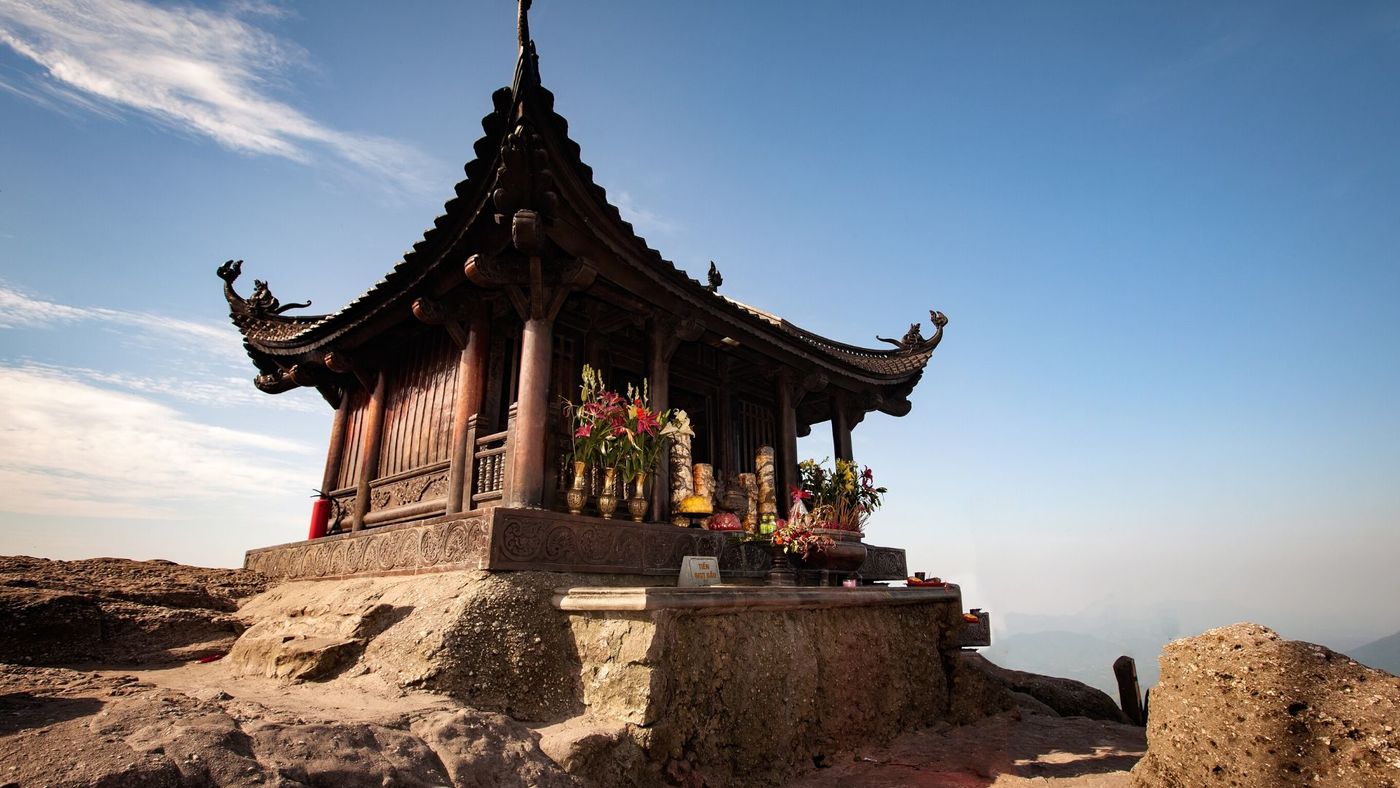
Photo: baotangquangninh.vn
Major Attractions at Yen Tu Complex
Truc Lam Yen Tu Zen Monastery
The renowned Truc Lam Yen Tu Monastery was founded in the 13th century by King Tran Nhan Tong. Nestled at the foot of Yen Tu Mountain, it now serves as the spiritual center of Truc Lam Zen Buddhism. Attracting pilgrims from Vietnam and around the world, this monastery spreads its message of goodwill and compassion.
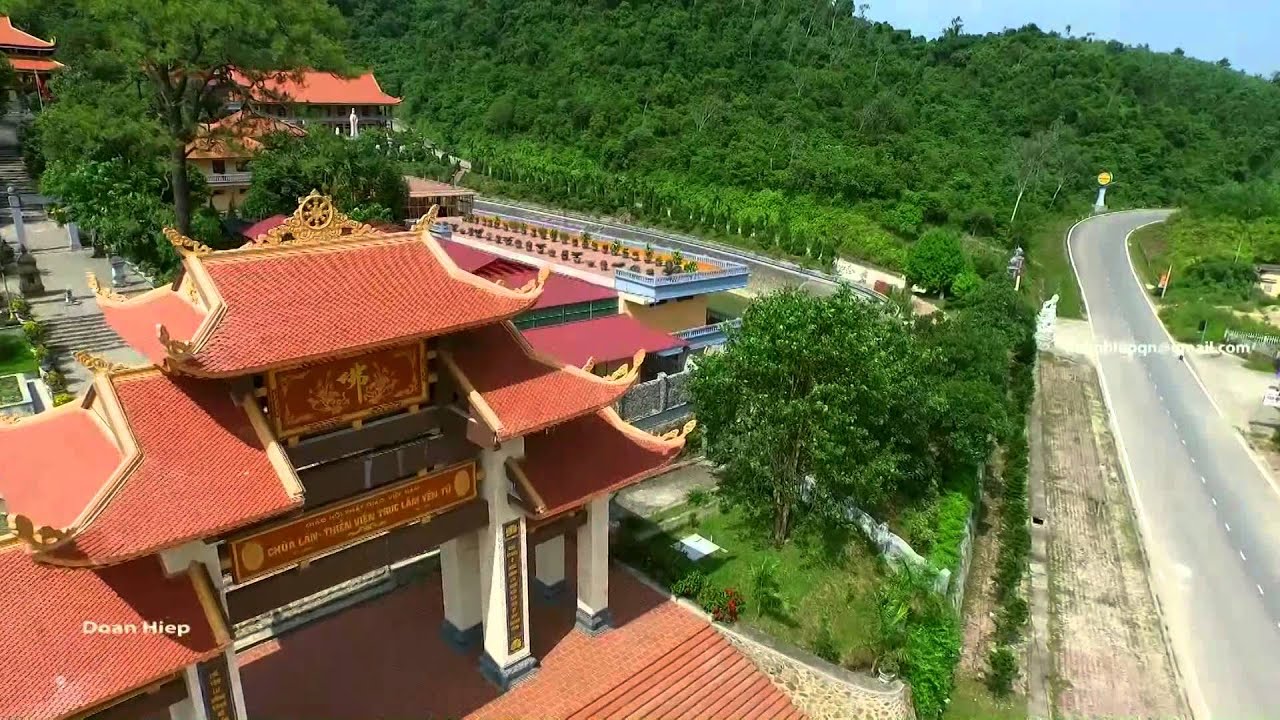
Photo by @Doan Hiep
Dong Pagoda
Perched atop Yen Tu Mountain at a lofty height of 1,068m above sea level, the Dong Pagoda is a magnificent structure cast in pure copper. To reach this peak, hikers must ascend thousands of stone steps, a journey that takes approximately six hours. Alternatively, visitors can opt for the aerial tram, enjoying breathtaking panoramic views through its windows.
Justifying Spring (Giai Oan Spring)
Legend has it that King Tran Nhan Tong, upon relinquishing power to his son, Tran Anh Tong, retired to Yen Tu Mountain to embrace Buddhism. Several concubines who failed to persuade the former king to return committed suicide in this spring. Consequently, King Tran Nhan Tong established the Justifying Pagoda as a commemoration, and the spring was renamed accordingly.
Yen Tu National Forest
Moving towards the West Yen Tu area, nature enthusiasts can embark on an adventure to explore part of the Yen Tu National Forest. As you traverse the trail, you’ll encounter endless lines of bamboo and hundred-year-old pine forests. This area is not only an ecological treasure hosting thousands of flora and fauna species but also offers opportunities for ecotourism and conservation.
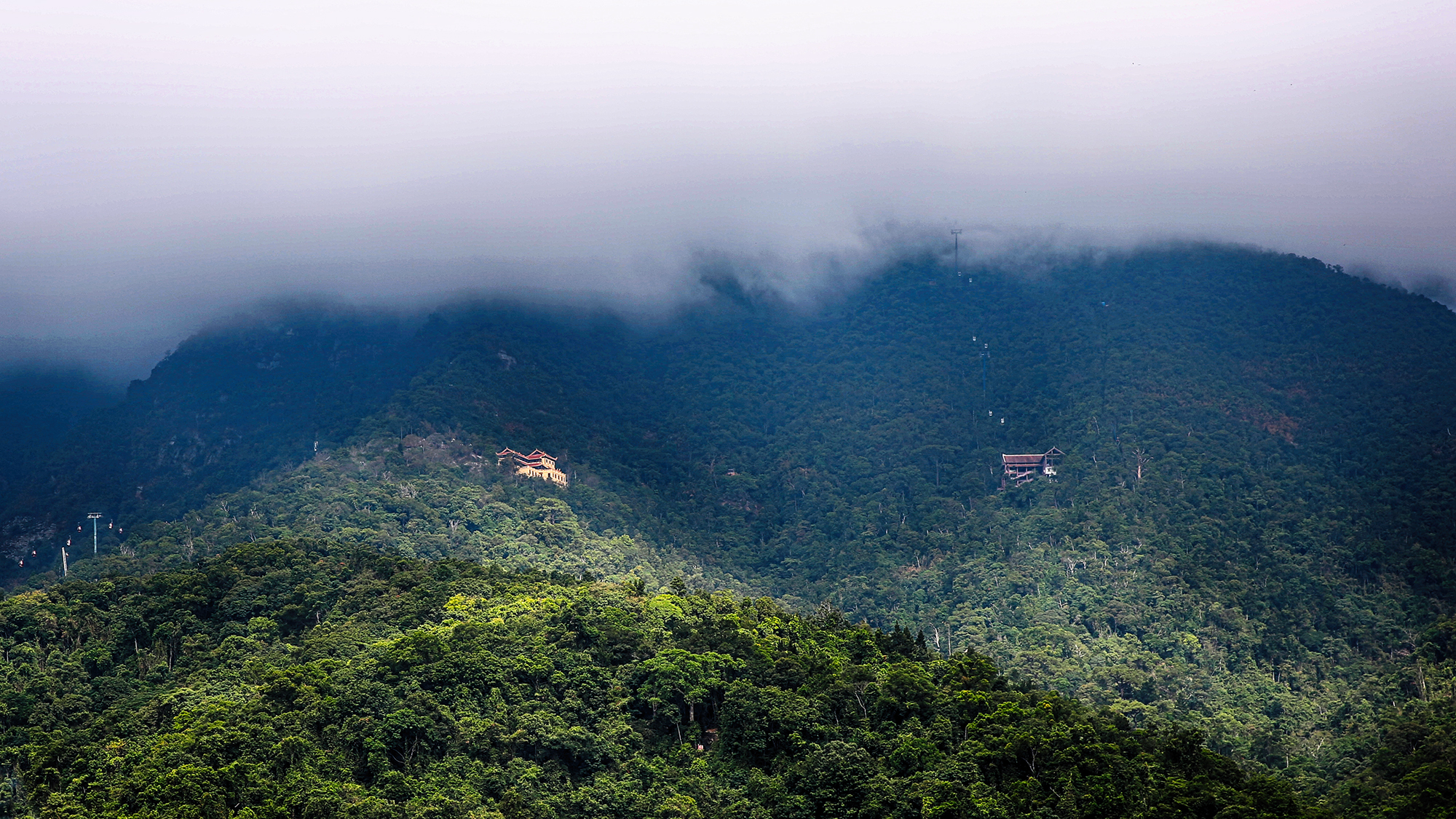
Photo: baovemoitruong.org.vn
Other Buddhist Sanctuaries
In addition to the main attractions, the journey through Yen Tu Complex presents various temples, shrines, and towers of immense historical, religious, and architectural significance. Ngoa Van Hermitage, Hoa Yen Pagoda, Mot Mai Pagoda, and Hue Quang Tower are just a few of the remarkable stops that should not be missed.

Photo: zing.vn
Transportation
For solo travelers or large groups looking to stay together and plan their routes in advance, shuttle buses are a practical option. Departing from various stations in Hanoi, such as My Dinh, Luong Yen, or Giap Bat, these buses offer a convenient way to reach Yen Tu. Covering the remaining distance of approximately 10km, you can opt for a taxi or motorbike taxi and begin your adventure shortly.
Alternatively, rental services cater to groups or families seeking a more private and flexible travel experience. Whether choosing cars or taxis of various sizes, brands, and conditions, or opting for adventurous motorbike rides, the rental prices are reasonable and vary based on the duration of your rental. Taking the national highway route, the drive from Hanoi to Yen Tu typically lasts between 2 to 3 hours.
Best Time to Visit
Situated at a high altitude, Yen Tu enjoys a cool, temperate climate throughout the year, featuring four distinct seasons. Summer extends from April to July, while winter blankets the landscape from November to January. However, even during the summer months, the weather remains pleasant enough to explore this national heritage site.
Photo: blogyeuphuot.com

For travelers and hikers seeking optimal conditions, the best time to visit Yen Tu is between September and November. During this period, the weather is mild and dry, and there are fewer tourists and pilgrims, allowing you to immerse yourself in the tranquility of the architectural masterpieces and glorious landscapes. Alternatively, if you’re interested in experiencing local customs and Buddhist worship, you can join the crowd of pilgrims during the Lunar New Year celebrations, which typically fall between January and March.
Useful Information
- Location: Yen Tu, Quang Ninh
- Best for: All visitors
- Entrance: N/A
- Operating hours: 9:00am – 5:00pm
- Distance from city center: 63.6km (39.5 mi)
For more information, kindly visit Rừng Cúc Phương


