
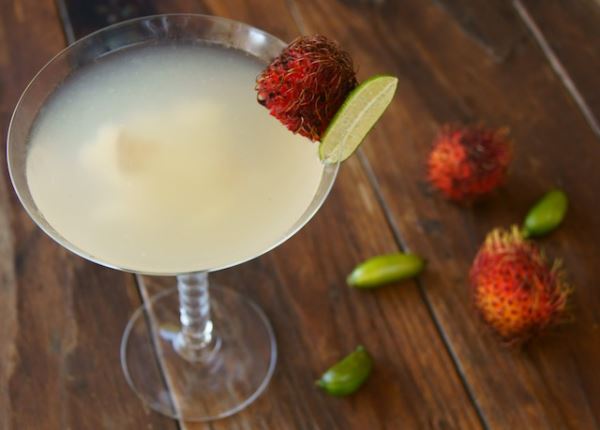
Rambutan fruit has long been recognized as the “golden” fruit of Vietnamese agriculture. Not only does it bring high nutritional value, but it also provides good economic efficiency for growers. With its hairy outer shell, the rambutan comes in two colors – red and yellow, and has a sweet and slightly sour flavor. It is considered one of the signature summertime fruits that tourists must try when they come to Vietnam.
The Many Varieties of Rambutans
Today, rambutan fruit comes in many varieties with different properties and flavors. Let’s take a closer look at some of the popular types of rambutans in Vietnam:
The Longan Rambutan
The longan rambutan has an oval shape with short hairs. As the pods ripen, they gradually change from green to yellow, pink, and finally red. Farmers call it the longan rambutan because of its small size and sweet, crispy flesh. This variety is also known as the sugar rambutan and is quite cheap and easy to buy.
Java Rambutan
The Java rambutan is a variety imported mainly from Indonesia and Thailand. The flesh of this rambutan does not stick to the seeds, and it has a large size, long hair, and a delicate taste. It, along with the longan rambutan, supplies most of the Vietnamese domestic market.
Thai Rambutan
The Thai rambutan, also known as Rong-rieng rambutan, is a relatively popular type of rambutan recently. It has a large shape, weighs between 50-70g per fruit, and has thick flesh and small, flat seeds. When ripe, the skin turns red, making it very attractive to consumers. The meat of the Thai rambutan is slightly sweet, making it suitable for those who prefer fruits that are not overly sweet. Although the price of Thai rambutan is relatively high, its deliciousness makes it worth buying for families to enjoy.
How to Enjoy Rambutans
For first-time tourists encountering rambutan fruit, figuring out how to eat it may seem confusing due to its hairy and thick outside layer. But once you learn how to eat it, you will find it very simple and delicious.
First, place the rambutan firmly on a flat surface and hold it at both ends. Slide a sharp knife along the center of the fruit to cut it in half. Squeeze the fruit halfway around the stem to lengthen the cut. Alternatively, you can use your thumb to tear the peel or even bite the rambutan in half. Just remember that the spines are soft and harmless, but the peel is inedible and might taste bitter.
Where Rambutans Grow in Vietnam
As a fruit native to Southeast Asia, rambutan is now grown in tropical climates around Vietnam. The rambutan java variety is commonly found in the areas of Dong Nai, Ben Tre, and Vinh Long. The longan rambutan, on the other hand, is usually planted in Dong Thap, Can Tho, or Tra Vinh.
The early rambutan fruit is harvested around early May, while the main season rambutan is collected around early July each year. So, visiting these rambutan orchards during these times allows visitors to admire the magnificent Vietnamese rural beauty, immerse themselves in nature’s scent, and enjoy the best rambutan fruits of the season.
The Benefits of Rambutans
While some people warn that eating too much rambutan can increase body heat, consuming it in moderation can bring numerous benefits. This fruit provides a wealth of natural nutrients, including calcium, vitamin B3, vitamins A and B9. These minerals and vitamins contribute to strong bones, weight loss, and compounds with anti-parasitic properties. Additionally, the juice of rambutan leaves has a special effect on nourishing and supplementing the scalp. The seeds of this fruit also contain natural anti-diabetic properties.
Food Made from Rambutan
Rambutan is not only enjoyed as a fresh fruit but also used as an ingredient in delicious and nutritious dishes. One of the top choices is the Vietnamese signature dessert – Che Khuc Bach, which uses rambutan as the main topping.
For more information on Rambutans, visit Rừng Cúc Phương to discover the beauty of these golden fruits in Vietnam.


