
Although it is no longer standing, Thuong Xa Tax remains an integral part of Saigon’s rich history and deserves recognition when discussing this vibrant city. This article will delve into the significance of Thuong Xa Tax, its cultural importance, and its impact on Saigon’s development over the years. Let’s take a trip down memory lane and explore the legacy of this iconic commercial center.

Thuong Xa Tax – A Testament to Saigon’s Glory
Thuong Xa Tax has been deeply ingrained in the hearts of Saigon’s people for generations, becoming an indelible memory that spans more than a century. Situated at the intersection of Bonard and Charner (now Le Loi – Nguyen Hue) – two well-known boulevards of Saigon, Thuong Xa Tax emerged as the largest and busiest commercial mall, igniting Saigon’s economic prowess in Indochina.
In 1880, the French built the magnificent structure, originally known as Grands Magasins Charner de Saigon (SGMCD). However, it wasn’t until 1914 when the Société Coloniale des Grands Magasins company selected it as a business location that it gained prominence. The building underwent a restoration in 1924, adopting the elegant Art Deco style that seamlessly fused French architectural finesse with Asian dynamism.
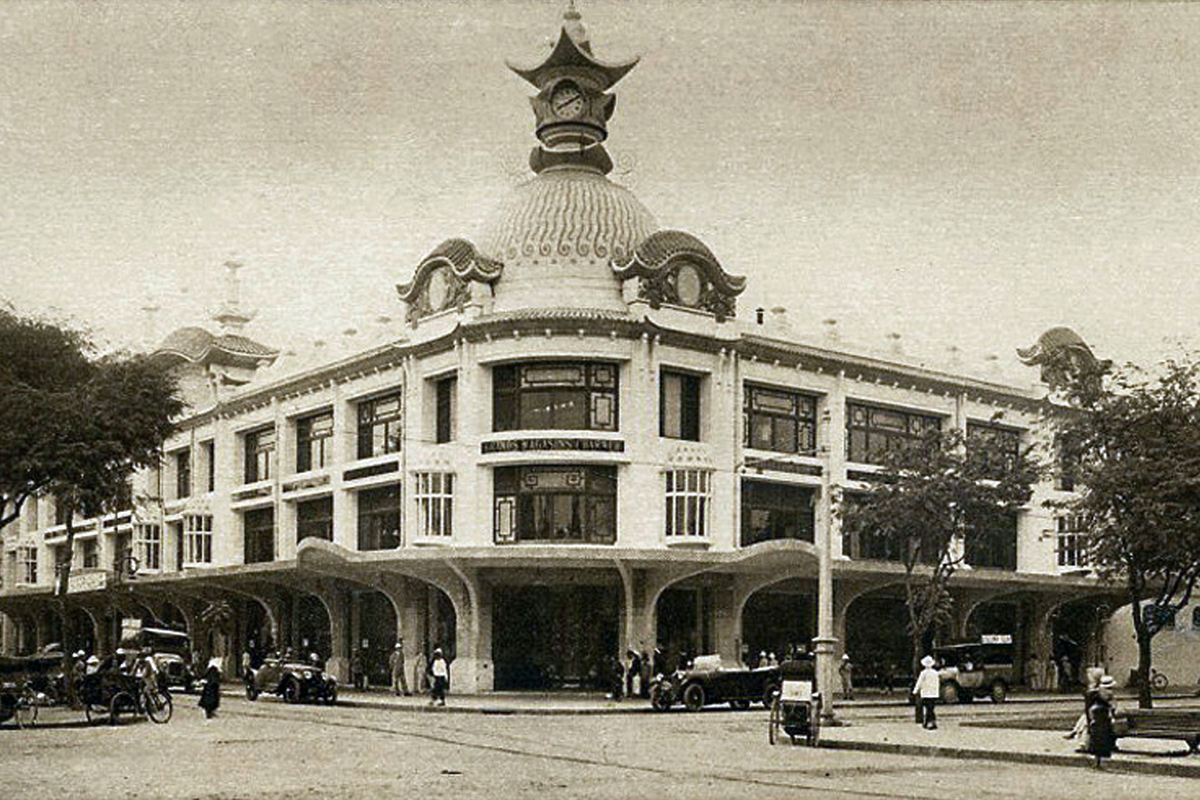
Renamed Grands Magasins Charner (GMC), this remarkable event marked the beginning of a thriving shopping center that attracted customers with its grandeur and variety. GMC proudly advertised as “The largest store, the most items, and the best shopping center,” even hosting a tea room and an American bar to entice more visitors.
As Saigon prospered, Thuong Xa Tax played a significant role in its commercial landscape. It became a sought-after destination, offering a wide range of products from clothing, watches, and cameras to electronics from the US, Japan, and Taiwan. Over the following decades, it underwent various transformations, continuing its legacy as one of Saigon’s busiest and largest shopping centers.
After a period of relative peace during the war, Thuong Xa Tax experienced a rebirth as the City Children’s Service Store. Symbolized by the traders wearing red scarves, the building epitomized an exciting era. In the 1980s and 1990s, it merged with other sales stores to form the General Department Store, a retail giant and one of the largest establishments in Vietnam.
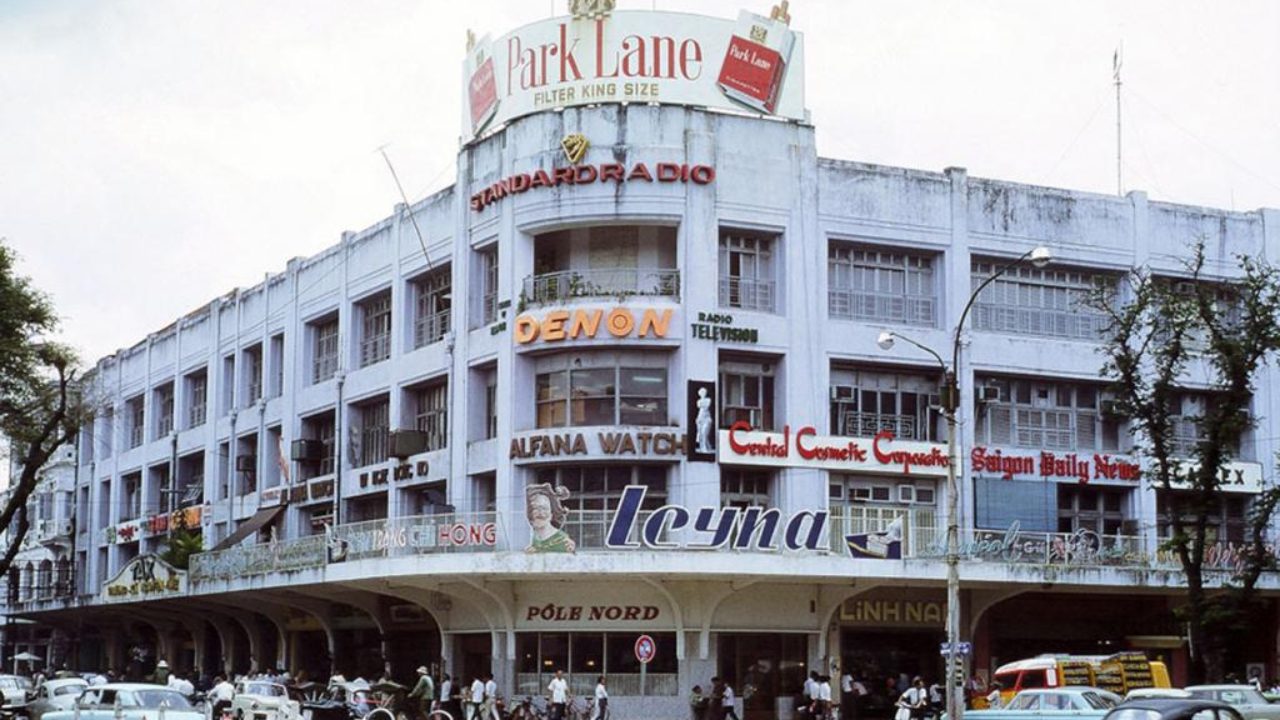
Despite the changing tides, Thuong Xa Tax managed to retain its distinctive French architecture, becoming one of Ho Chi Minh City’s top five shopping destinations. For more than 130 years, it stood witness to Saigon’s transformation, remarkable economic growth, and remained firmly etched in the memories of its inhabitants.
Today, Thuong Xa Tax may no longer be physically present, having been demolished in 2016 to make way for the Satra-Tax Plaza. This new architectural project incorporates elements from the original building, paying tribute to Saigon’s prosperous past. By meticulously preserving the 6-foundation floors, mosaic stone design, and the two main stairs with their intricate railings, the new structure seamlessly blends the old and the new, ensuring the spirit of Thuong Xa Tax lives on.
If you find yourself in Ho Chi Minh City, although you cannot admire the original Thuong Xa Tax building, you can still sense its grandeur and the harmonious amalgamation of European and Asian architectural influences through the new construction.
Useful Information
- Address: No. 137 Nguyen Hue Street, Ben Nghe Ward, District 1, Ho Chi Minh City
- Construction Year: 1880
- Demolition Year: 2016
- Area: 9,200 m2
- Architectural Type: Art Deco
Remember, the memories of Thuong Xa Tax will forever resonate in the hearts of Saigon’s people, reminding them of the city’s vibrant past and the cherished moments spent within its walls.


