
When it comes to unique fruits, Vietnamese papaya, known as “đu đủ” in the local language, stands out with its big, cylinder shape and vibrant green color when unripe. But don’t be fooled by its appearance; this fruit has a lot more to offer than meets the eye. From its significance in Southern Vietnam’s culture to its numerous health benefits, let’s explore the wonders of this tropical delight.
Vietnamese Papaya: Symbolism and Beauty
Vietnamese papaya holds a special place in the hearts of people in Southern Vietnam. Pronounced similarly to the word “sufficient,” this fruit is prominently displayed during the Tet holiday, symbolizing hopes for a better and happier upcoming year. As the fruit ripens, its skin transforms into a beautiful shade of orange, revealing a reddish flesh peppered with small black seeds.
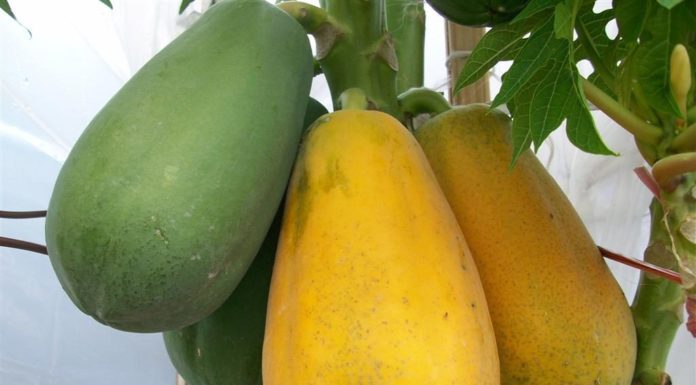
Photo: bloganchoi.com
How to Enjoy Papaya
Once ripened, papaya is commonly eaten raw after peeling off the skin and removing the black seeds. However, consuming these seeds is not recommended due to their trace amounts of poison, which can disrupt your pulse and nervous system. For a refreshing twist, try blending papaya with sugar, milk, and other fruits like banana, avocado, or pineapple to create a delightful smoothie drink.
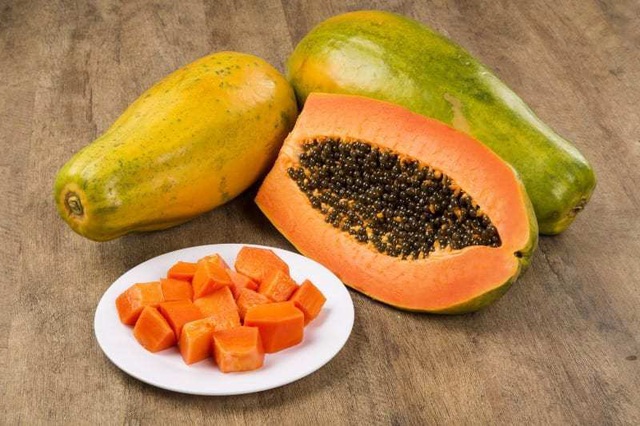
Photo: dantri.com.vn
The Origins of Papaya in Vietnam
Papaya thrives in the southern regions of Vietnam, particularly in areas like Soc Trang, Vinh Long, and Dong Thap. Although it is grown year-round, the most delicious and sweetest papayas hit the market during Tet holiday. Whether you’re in the city or exploring the countryside, you can easily find ripe papayas in supermarkets or street stalls for around 20.000 – 25.000 VND/kg.
Health Benefits Galore
Aside from its delectable taste, papaya boasts an impressive nutritional profile. It contains higher levels of beta-carotene compared to other fruits, which can convert into vitamin A, providing anti-cancer properties and promoting eye health. Furthermore, this tropical fruit is rich in essential vitamins and nutrients that support blood regulation, boost the immune system, and rejuvenate the skin. Enjoyed in both summer and winter, papaya offers a myriad of health benefits. However, it’s important to note that excessive and continuous consumption of papaya can lead to jaundice and high blood sugar.
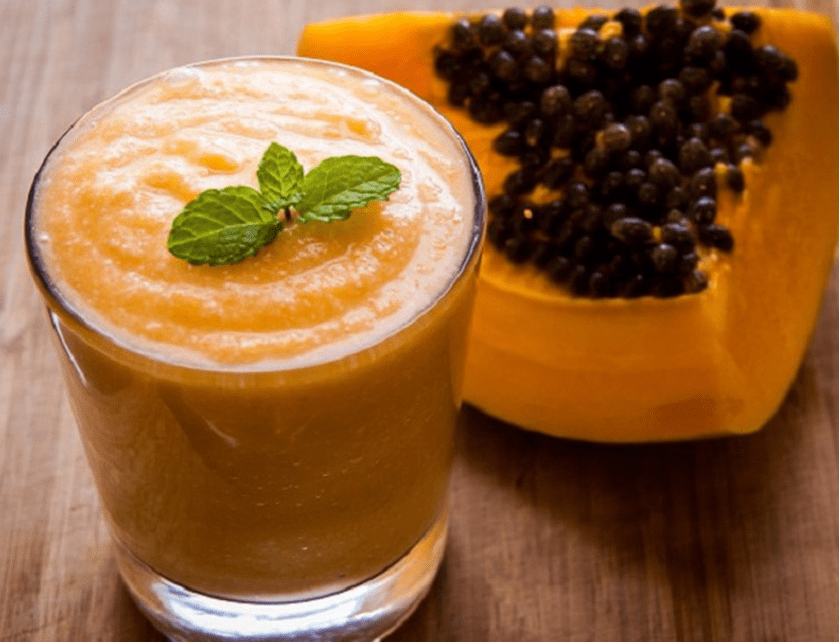
Photo: smothieday.com
Beyond Freshness: Papaya in Culinary Creations
Vietnamese cuisine and papaya go hand in hand, offering a range of delectable dishes. Green papaya is often used to prepare flavorful meals such as beef rib or chicken bone stew, green papaya jam, green salad, stir-fried chicken hearts, and dry beef salad. Additionally, the Muong ethnic group creatively incorporates papaya flower buds into their recipes, featuring dishes like papaya flower salad with wild eggplant, papaya flower boiled with rotten sauce, and stir-fried beef with papaya flower. Among these culinary delights, the garlic-fried papaya flower stands out as the most popular, despite its initial bitter taste.
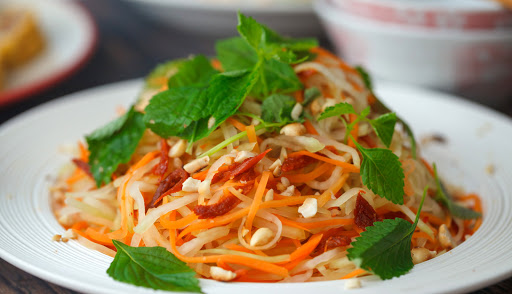
Photo: savourydays.com
In conclusion, Vietnamese papaya is a versatile fruit that not only adds a burst of flavor to various dishes but also offers numerous health benefits. So next time you come across this magnificent fruit, be sure to indulge in its unique taste and explore the many culinary possibilities it presents.


