
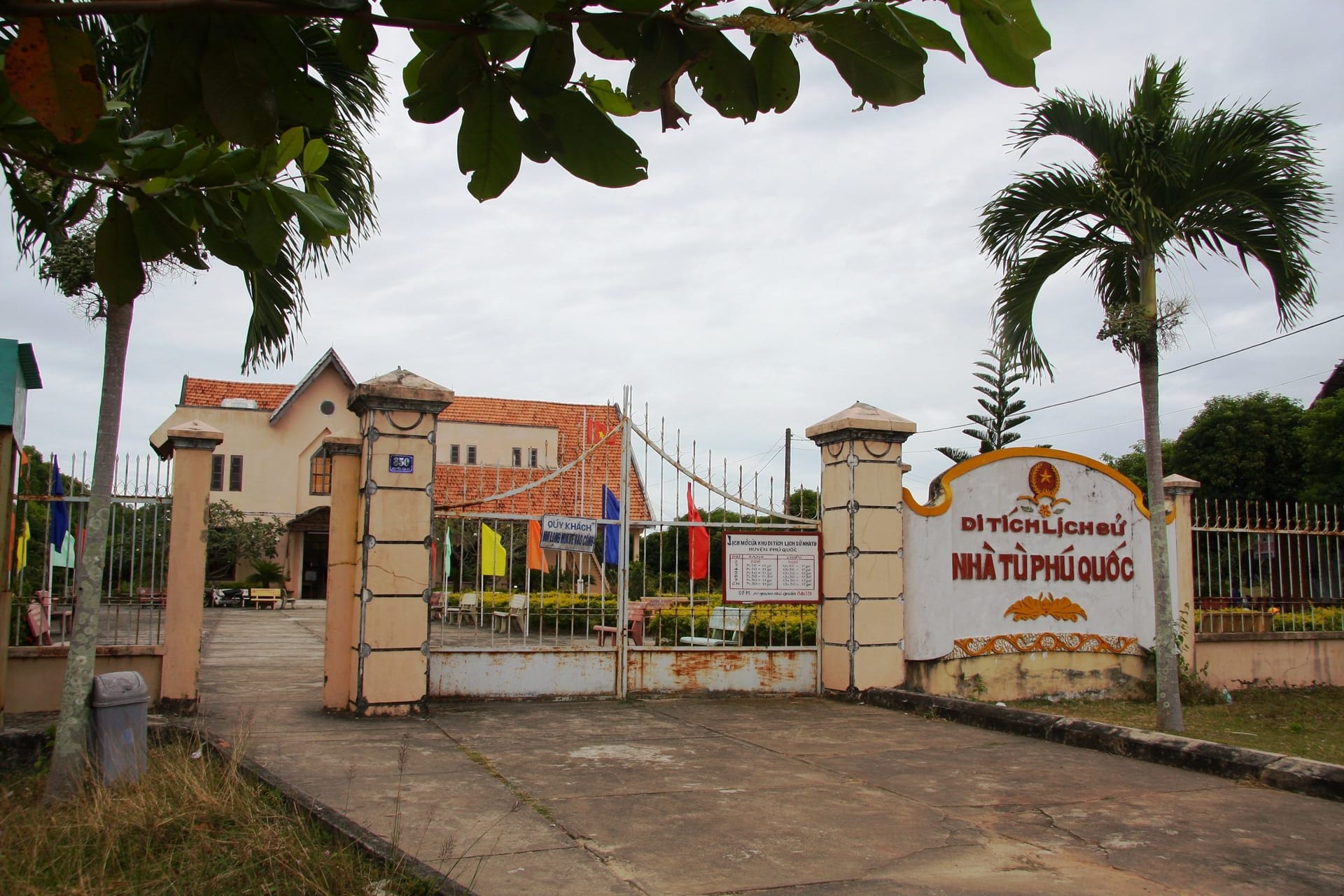
Imagine a place where darkness and cruelty once reigned, where the echoes of war still linger. Welcome to the Coconut Tree Prison, also known as Phu Quoc Prison, a haunting symbol of Vietnam’s turbulent past. Located in An Thoi Village, Phu Quoc, this historical site holds the secrets of the Indochina War and the Vietnam War. Let’s delve into the captivating history and significance of this prison-turned-tourist-attraction.
Location & History
During the Indochina War, when Vietnam was under French colonial rule, the Coconut Tree Prison emerged as a symbol of resistance. The prison’s name derived from the surrounding area, filled with towering coconut trees. Divided into four areas – A, B, C, and D – the prison housed over 14,000 prisoners. However, as the Indochina War ended, most prisoners were released and reunited with their families, thanks to the Geneva Accords.
As the Vietnam War escalated, Phu Quoc Prison underwent reconstruction and expanded its facilities to accommodate more prisoners. The United States military transformed this place into a new prison, keeping the same name. Men, women, and elderly prisoners were segregated into different areas. In 1966, another section was added to imprison Vietnamese soldiers, resulting in a total of 12 main areas, further divided into sub-areas A, B, C, and D. Security was tight, and supervision was constant. In 1996, the Coconut Tree Prison was designated as a “national historical heritage” and opened its doors to tourists.

Historical Significance
The Coconut Tree Prison stands as a grim testament to the war crimes committed in the past. As you explore the prison, you’ll encounter numerous exhibits that shed light on the horrors of war. Some of the torture tools used on prisoners are still on display. One such tool is the notorious “Catso Tiger cage,” a dark, suffocating enclosure where prisoners were kept. The extreme heat during the day and bone-chilling cold at night left prisoners physically and mentally scarred, often resulting in blindness. Alongside the Tiger cage, you’ll find other instruments of torture, such as crucifixion devices and accounts of boiling and dental brutality, serving as poignant reminders of the inhumanity inflicted on prisoners.

Visitor Information
The Coconut Tree Prison attracts approximately 10,000 visitors each year, including former prisoners seeking closure, history enthusiasts, and curious travelers. It offers a unique opportunity to gain insight into the destructive war of the past while appreciating the peace we enjoy today.
You can visit the Coconut Tree Prison as part of a guided tour or explore it independently. Tour guides are readily available to provide fascinating anecdotes and additional historical context.
Useful Information
- Location: Phu Quoc Prison, An Thoi, Phu Quoc
- Best for: Adults, History Buffs
- Entrance Fee: 20,000
- Opening Hours: 9:00am – 5:00pm
- Distance to city center: 19.3km (12.0 mi)
Whether you’re a history enthusiast, an empathetic soul seeking to understand the past, or someone simply curious about the dark chapters of human history, a visit to the Coconut Tree Prison will leave an indelible mark on your memory. It’s a poignant reminder of the resilience of the human spirit and the importance of cherishing the peace we have today.
So, when you find yourself in Phu Quoc, don’t miss the chance to explore this historic site. Learn from the past, appreciate the present, and connect with the countless stories etched within the grim walls of the Coconut Tree Prison.


