
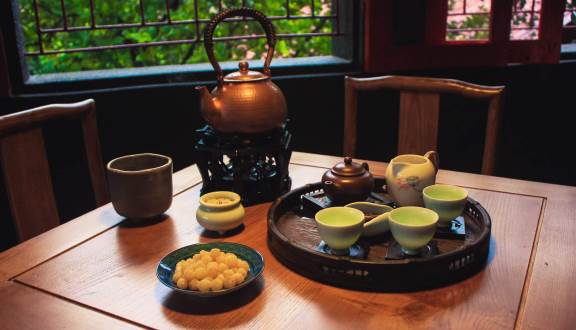
In Vietnam, tea is more than just a beverage; it is deeply intertwined with the country’s social fabric. From weddings to birthdays, anniversaries to ritual ceremonies, tea is an ever-present companion. Whether it’s a piping hot cup in the morning, a refreshing glass at a roadside stall while waiting for a friend, or a leisurely day spent at a tea-house, tea has become an integral part of everyday life for the Vietnamese people.
A Journey into the Past
To truly appreciate the art of tea in Vietnam, let’s take a journey back in time. In the 13th to 15th centuries, tea held immense philosophical value for the Vietnamese. It was seen as a source of spiritual purity, a means of escaping the chaos of daily life and seeking enlightenment. Reading books and savoring tea became a favorite pastime of Vietnamese scholars, as they sought peace of mind and personal growth.
Tea drinking was believed to refine one’s character, enhance manners, and provide insights into one’s personality. Those who drank concentrated tea with finesse were revered for their impeccable manners, while tea artisans who skillfully poured tea into bowls arranged in a perfect circle were admired by all.
Over time, tea drinking in Vietnam has evolved into a diverse and creative practice, with no fixed standards. It serves as a medium of communication, expressing the depth of language among people from all walks of life, both in the bustling cities and peaceful countryside.
Tea: A Ritual at Home
Tea holds a special place in every Vietnamese home, enjoyed several times a day, beyond just special occasions like weddings or funerals. Many elders start their day with a cup of hot green tea, seeking a refreshing start and a clear mind. The patio or garden in the backyard often becomes the preferred spot for tea appreciation, as the proximity to nature adds an extra touch of tranquility to the experience.
Vietnamese people believe that tea brings people together and embodies hospitality. Therefore, it’s common to invite friends or neighbors for a chat over a cup of tea, as it fosters connections and diffuses any heated quarrels. Additionally, savoring tea after meals, especially dinner, has become a beloved habit for many families, providing an opportunity for family members to gather and share stories about their day.
Tea: a Street-Side Affair
Tea drinking is not limited to homes; it spills out onto the streets of Vietnam as well. Street vendors, known as “quán cóc,” can be easily found near bus terminals, train stations, schools, offices, and even in quiet alleys. These vendors, with their offerings of hot or iced green tea, are an integral part of Vietnamese street culture. Workers and students frequent these stalls during short breaks to rejuvenate themselves or wait for friends. In these moments, strangers become friends, sharing stories and indulging in peanut candy or a smoke.
In recent times, a new trend has emerged among Hanoi’s youngsters – gathering and relaxing at a new type of “quán cóc” called “trà chanh,” which means “tea with fresh lemon.” A simple setup of plastic stools, a dish of roasted sunflower seeds, and a glass of “trà chanh” create a lively atmosphere at an affordable price. “Trà chanh” has become so popular that it is now synonymous with “hanging out” among young people. The area surrounding Saint Joseph Cathedral is a hub of bustling activity, where one can experience the daily lives of young Hanoians, listen to their discussions about current events, fashion trends, technology, and the latest gossip.
Embracing Tea-House Culture
As the income and living standards rise, there is a growing interest in traditions and culture among the Vietnamese people. This explains the surge in tea-houses across the country, offering a variety of styles, including Chinese, Japanese, and traditional Vietnamese designs.
These tea-houses, with their distinctive architecture, attract those who seek a unique space to indulge in their love for tea. Sitting under the eaves of a tea-house that resembles an old countryside dwelling, customers can take their time, letting the delicate smoke from their teapots ease away life’s troubles. Tea connoisseurs have the freedom to choose from a wide range of teas, including traditional green tea, scented tea, herbal tea, and even exotic imported blends, depending on the tea-house’s style. Hours can be spent engaging in conversations with fellow tea enthusiasts, exploring various aspects of tea culture.
Tea and the Vietnamese people share a profound connection that goes beyond mere refreshment. It serves as a medium to strengthen bonds, express hospitality, and explore the rich traditions of the country. So, next time you sip a cup of tea, take a moment to appreciate the heritage and cultural significance it holds for the vibrant people of Vietnam.
To learn more about the tea culture in Vietnam, visit Rừng Cúc Phương.


