
In Vietnam, Pho holds a special place in the hearts (and stomachs) of locals and visitors alike. This iconic Vietnamese soup is renowned for its aromatic flavors and delicate balance of ingredients. However, not many are aware that Pho differs across regions, each with its distinctive twist. In this article, we will explore the variations and secrets of Pho from the North to the South of Vietnam, revealing the fascinating differences that make this dish truly unique.
The Soul of Pho: The Broth
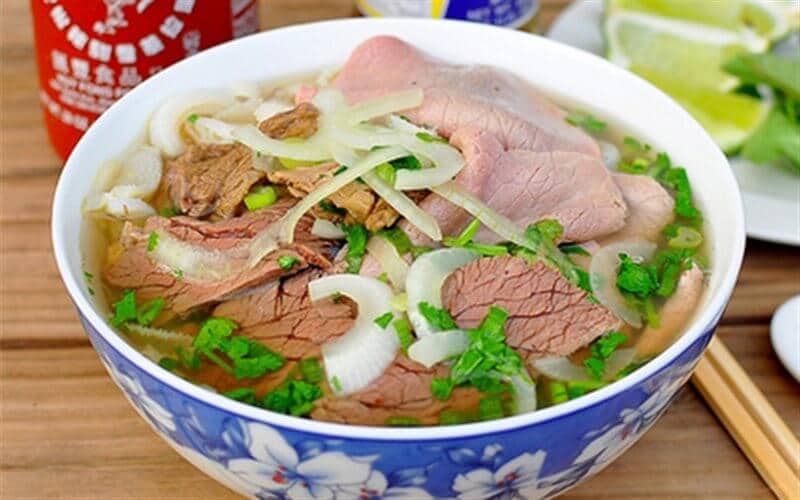
At the heart of every bowl of Pho lies the soulful broth, which sets the stage for its delicious flavors. Interestingly, the way the soup is prepared varies between Hanoi and Saigon. Hanoians prefer boiling only beef bones to create a clear and pristine broth. In contrast, Saigonese chefs, in addition to beef bones, sometimes include chicken bones and dry squids to enrich the flavors further. Consequently, when you feast your eyes on a steaming bowl of Pho, you can instantly identify its origin. Hanoi’s Pho boasts a crystal-clear broth, while Saigon’s Pho showcases a richer and more robust appearance. Moreover, the Northern Vietnamese tend to add more seasonings to their soup compared to their Southern counterparts. This variation in seasoning can surprise Northerners who find Saigon’s Pho slightly too sweet, while Southerners might perceive Hanoi’s Pho as a touch too salty.
A Noodle Tale: The Choice is Yours
Another distinction lies in the type of noodles used in Pho. When savoring a bowl of Pho in Hanoi, you’ll find only one type of noodle on offer – wide in width and thin in depth. However, in vibrant Ho Chi Minh City, you have the luxury of choice. Here, you can select between the traditional Hanoi-style noodles or opt for thinner noodles both in width and depth. The choice of noodles adds another layer of personalization to this beloved dish, ensuring that every bowl of Pho is tailored to individual preferences.
Vegetable Medley: The North vs. the South
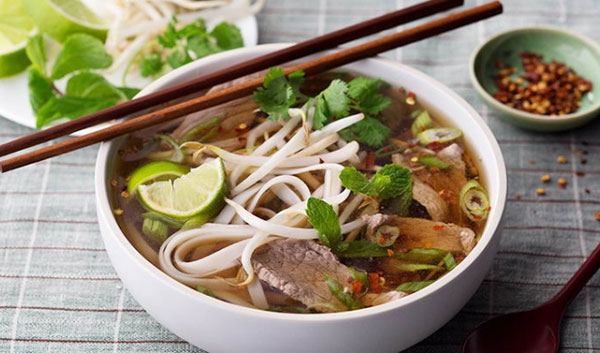
The selection of vegetables in Pho also differs between the North and the South of Vietnam. In Hanoi, Pho is traditionally served without bean sprouts, while in Southern regions, bean sprouts play a crucial role as a refreshing component. Moreover, basil is a beloved favorite among Southerners, adding a delightful aroma and a unique touch to Pho that cannot be found in any Hanoi Pho shop. In Ho Chi Minh City, a plate of assorted vegetables accompanies Pho, allowing customers to choose their favorites to dip into the soup and enjoy. In the North, on the other hand, the assortment of vegetables served with Pho tends to be more limited.
Meat Matters: Customizing Your Pho Experience
When it comes to the meat in Pho, customization options abound in Saigon. The sellers eagerly inquire about your preferred cooking style, ranging from rare to well-done. You can also choose the type of meat, whether fillet, bone-in, or bone only. Conversely, in the Northern region, it is less common to find beef bones in a bowl of Pho, highlighting yet another variation and preference unique to each area.
The Sauce Saga: A Flavorful Divide
Saucing Pho is another distinct difference between the North and the South. In Saigon, it is customary to add Hoisin sauce to the bowl or serve it separately for dipping meat. Meanwhile, Hanoians prefer to forgo the Hoisin sauce altogether. Instead, if they desire an extra kick, they add chili sauce for a spicy explosion of flavors. These subtle variations in condiments may go unnoticed at first, but as you gain more experience, you’ll become adept at distinguishing between Hanoi’s Pho and Saigon’s Pho.
Ready to Explore the World of Pho?
If you find yourself in Vietnam, make sure to embark on a delightful adventure through the diverse flavors of Pho. From the clear and pure broths of Hanoi to the robust and multilayered soups of Saigon, each region offers a unique Pho experience. So, get ready to slurp your way through the enticing world of Pho. If you want to learn more about Pho and explore the beauty of Vietnam’s Cuc Phuong Forest, visit Rừng Cúc Phương.
Watch our video on Pho:


