
Pho, the beloved noodle soup, holds a special place in Vietnamese cuisine. With its flavorful broth and delicate rice noodles, it has become a staple dish that is cherished by locals and visitors alike. Let’s take a deeper dive into the world of pho and explore its varieties and rich history.
The Noodle Named Pho
At the heart of many pho dishes is a type of fresh noodle called “banh pho.” Made from rice flour, these thin, flat noodles are white in color and have a slightly buttery and sweet taste, reminiscent of boiled rice. The noodles are the foundation of every pho dish, providing a satisfying texture that complements the savory broth and toppings.

Varieties of Pho
Pho comes in different variations, each offering its own unique flavors and cooking styles. Let’s explore the four main types of pho:
Pho Nuoc: Noodle with Broth
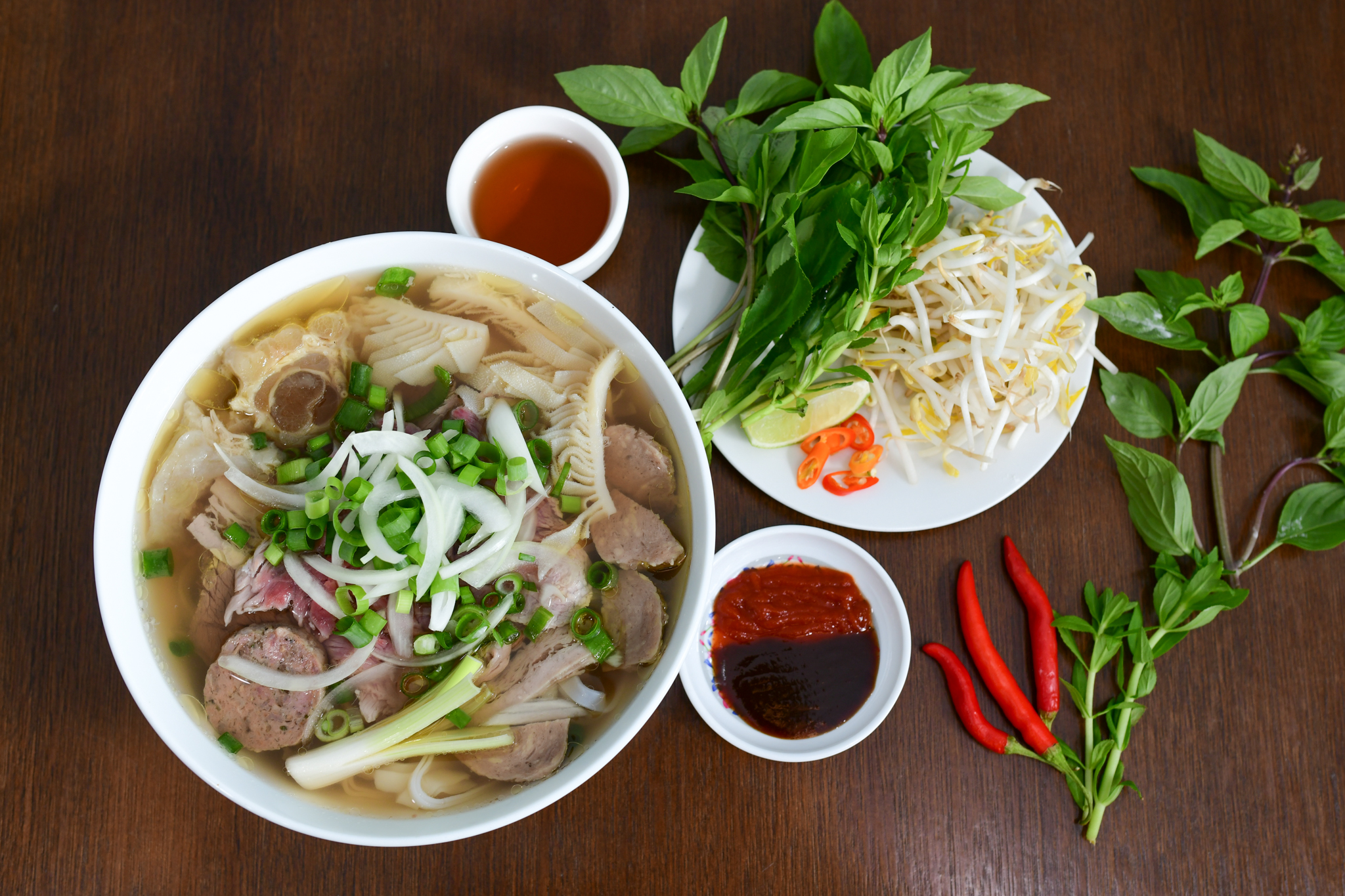
Pho Nuoc, the traditional and most popular type of pho, features a delicious broth that has been simmered with ox or chicken bones for hours. The broth is then combined with banh pho noodles, thinly sliced meat (beef, chicken, or shrimp), and toppings such as onions. In the north, it is accompanied by “quay” (fried breadsticks), while in the south, it is served with a variety of raw vegetables like Vietnamese basil, coriander, and mung bean sprouts. Pho Nuoc is best enjoyed piping hot.
Pho Xao: Stir-Fried Noodle
Pho Xao is a delightful variation where banh pho noodles are stir-fried with beef and vegetables. This dish offers a unique texture and flavor profile, making it a popular choice among pho lovers.
Pho Kho: Dried Noodle
Pho Kho, also known as “pho hai to,” is served with two bowls. One bowl contains banh pho noodles mixed with fried ground pork, onions, and raw vegetables like lettuce and mung bean sprouts. The other bowl offers a sweet broth with sliced beef. While Pho Xao and Pho Kho are typically served hot or warm, Pho Tron is a cool dish that is especially refreshing on hot summer days.

Pho Tron: Mixed Noodle
Pho Tron is a delightful salad-like dish that combines banh pho noodles with herbs, raw vegetables, stir-fried beef, and roasted peanuts. This refreshing dish offers a delightful mix of textures and flavors that is perfect for those who seek a lighter alternative to the traditional pho.
The Story of Pho
Pho is deeply rooted in Vietnamese culture and is considered one of the nation’s most iconic dishes. While its exact origins are debated, it is believed that pho originated from Nam Dinh, a northern province in Vietnam. However, it was in Hanoi where pho gained significant popularity and became a must-try food for both locals and tourists.
Over the years, pho has evolved and expanded beyond its traditional boundaries. New versions such as “pho tom” (shrimp noodle) and “pho kho Gia Lai” (dried noodle) have emerged in southern Vietnam. Additionally, after the Vietnamese diaspora, pho made its way to Western countries, gaining international recognition through renowned restaurant chains like Pho 24.
Today, instant pho can be easily found in grocery stores, allowing people to enjoy this flavorful dish anytime, anywhere. However, many still prefer the authentic experience of dining at roadside pho restaurants, where the flavors are more pronounced, and the lively atmosphere adds to the overall enjoyment.
When ordering pho, it never hurts to learn a few words to show your appreciation for Vietnamese cuisine. Here are some common varieties of pho that you might come across:
- Pho Bo: Pho with beef
- Pho Ga: Pho with chicken
- Pho Moc: Pho with small balls of ground pork or beef
- Pho Xao: Stir-fried pho
- Pho Sot Vang: Pho served with a thick stew instead of broth
- Pho Chua: A unique variation found in the Northern mountain area, such as Lang Son, where it is served with a mix of fish sauce, peanuts, and lemon instead of broth.
Pho, with its rich history and diverse flavors, is a true culinary gem. So, the next time you have the opportunity to savor a bowl of pho, embrace the experience and indulge in the symphony of tastes that this iconic Vietnamese dish has to offer.
To learn more about the wonders of Vietnamese cuisine, visit Rừng Cúc Phương.


