
The áo dài, Vietnam’s national dress, is not just a piece of clothing. It represents the country’s rich history, beauty, and resilience. Throughout the years, the áo dài has transformed from regal attire to a symbol of practicality and high fashion. Loved by both young and old, this elegant dress flatters men and women alike. Let’s delve into the fascinating story of the áo dài and discover tips for making your own.
The Story of Áo Dài
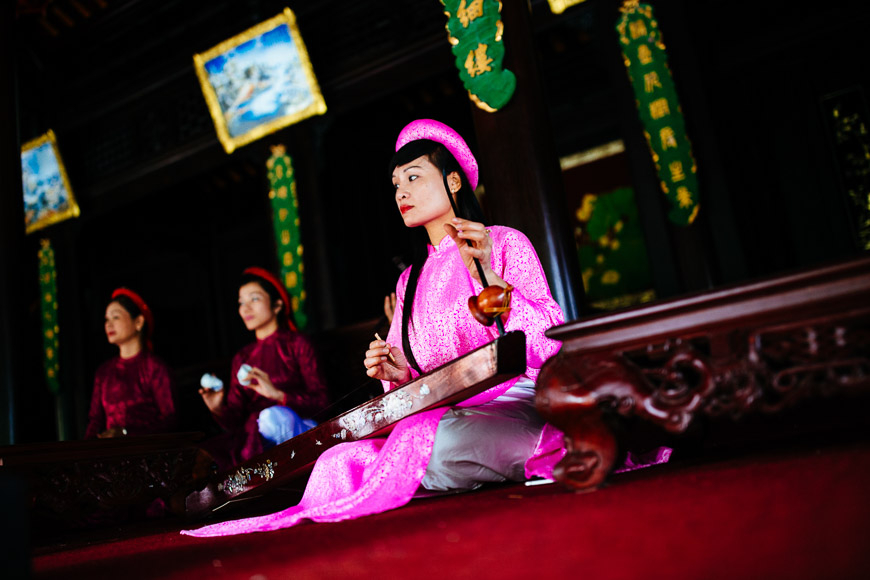
The journey of the áo dài begins in 1744, during Vietnam’s division into the Inner Land (Đàng Trong) and Outer Land (Đàng Ngoài). To distinguish his people, Lord Nguyễn Phúc Khoát of the Inner Land introduced a front-buttoned gown with trousers, known as the áo ngũ thân. This served as the inspiration for the modern áo dài. Royals and elites adorned their dresses with intricate details and vibrant colors, reflecting their ranks in the court.
In the 1930s, Vietnamese artist Le Mur Nguyễn Cát Tường simplified the dress into two parts. The front flap was elongated to ankle length, and the fit became more form-fitting. Initially met with resistance due to its “westernized” influence, the contemporary style gained popularity after Le Mur designed an áo dài collection for Queen Nam Phương, the wife of Vietnam’s last Emperor Bảo Đại. Urban women soon embraced this style, sparking a wave of áo dài fashion.
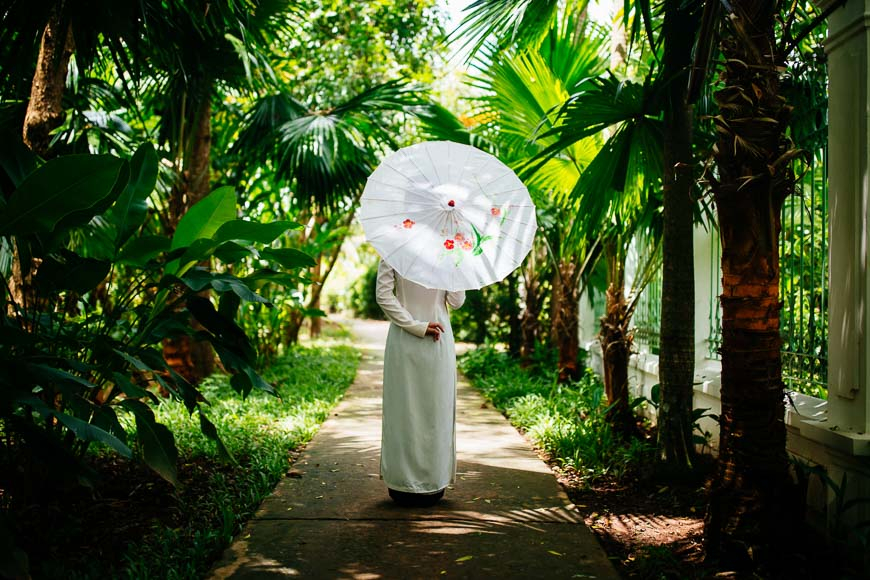
After the establishment of the Democratic Republic of Vietnam, Hồ Chí Minh proposed adapting the áo dài for efficiency in the fields and factories. Consequently, the dress became reserved for professional appearances and special occasions. Today, female high school students across the country are required to wear áo dài at least once a week. The sight of young girls in white áo dài riding their bicycles to school has inspired countless songs, poems, and paintings. The áo dài continues to be worn by women of all ages when they want to make a lasting impression.
TIP: Visit the áo dài collection on permanent display at the Vietnamese Women’s Museum in Hanoi to learn more about the dress’s history and its various styles.
Modern Styles of Áo Dài
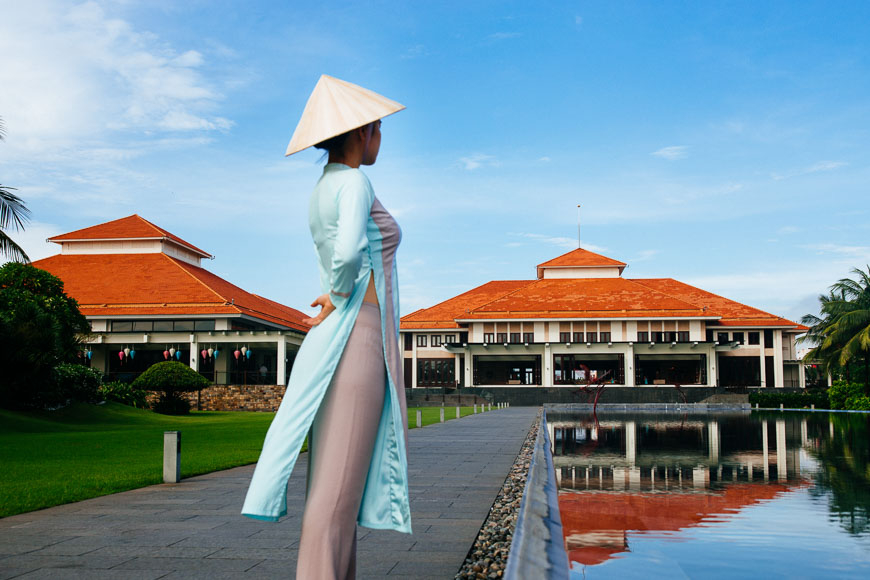
Contemporary designers have not shied away from experimenting with the áo dài. Boat necks, cropped lengths, and short sleeves are just a few of the modern twists on this traditional garment. These innovative variations have made the áo dài more practical, suitable for less formal occasions. Knee-length styles are convenient for riding motorcycles or bicycles, and you’ll find a range of casual collars worn on summer days, such as scoop neck and boat neck designs.
When to Wear Áo Dài
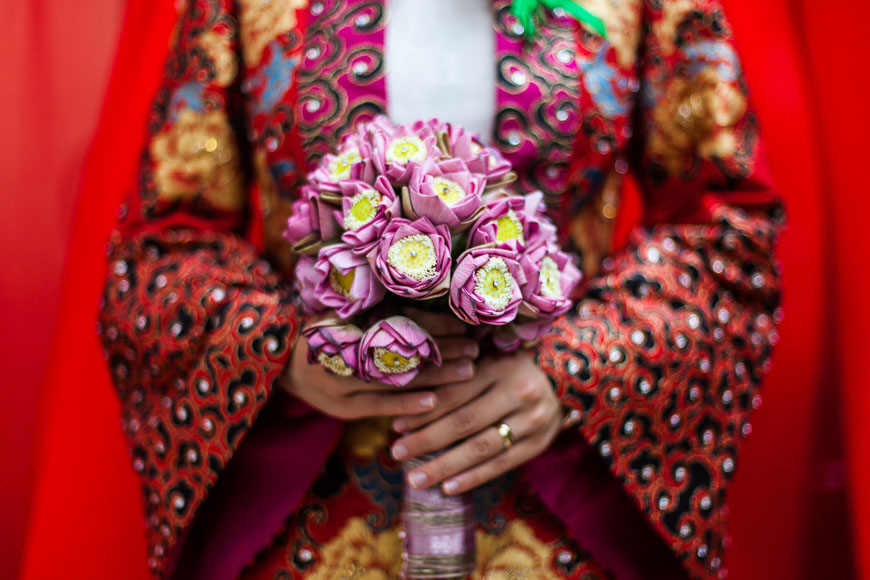
Vietnamese women love donning áo dài for photo shoots in picturesque settings. The golden autumn days in Hanoi provide the perfect backdrop for capturing timeless images around Hoàn Kiếm Lake. During Tết (Lunar New Year), the dress takes center stage as women wear it to visit friends and family, and pay homage at temples and shrines. Weddings are another occasion where the áo dài shines. The bride, groom, and wedding entourage showcase elaborate áo dài during the traditional ceremony, while guests opt for simpler yet equally vibrant designs.
TIP: For a glimpse into the world of áo dài fashion in Vietnam, watch the film ‘The Tailor,’ which highlights an áo dài design house in Ho Chi Minh City. This movie was Vietnam’s official entry for Best Foreign Language Film at the 2018 Academy Awards.
Áo Dài Colors
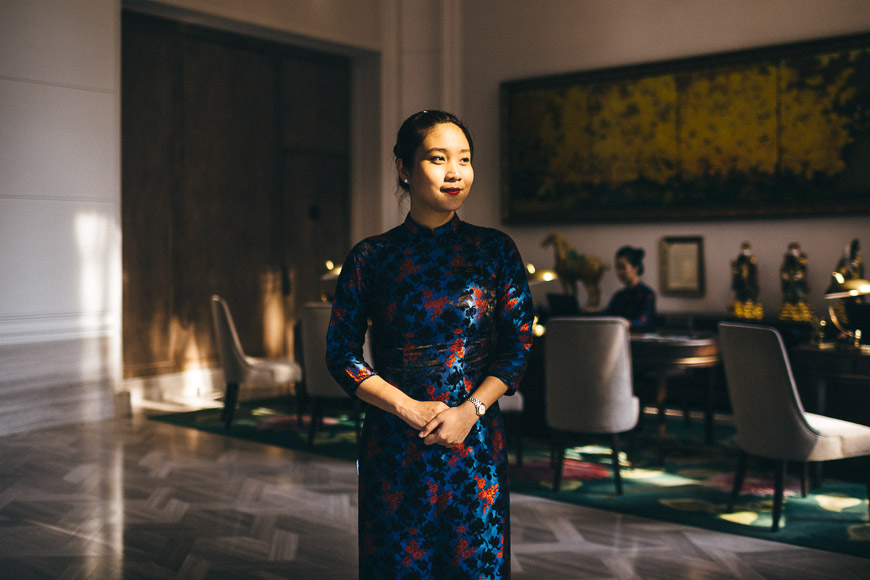
Each color of the áo dài carries its own meaning. In the Imperial era, gold was exclusively reserved for kings and queens. Red áo dài are worn during Tết for luck and prosperity. Brides and grooms may also wear red on their wedding day, so it’s advisable for guests to choose different colors. White symbolizes purity and innocence, often seen in the dresses of high school students. Black is predominantly worn at funerals. Vietnamese women also select áo dài colors based on their element (metal, wood, water, fire, or earth) associated with their year of birth.
Making Your Own Áo Dài
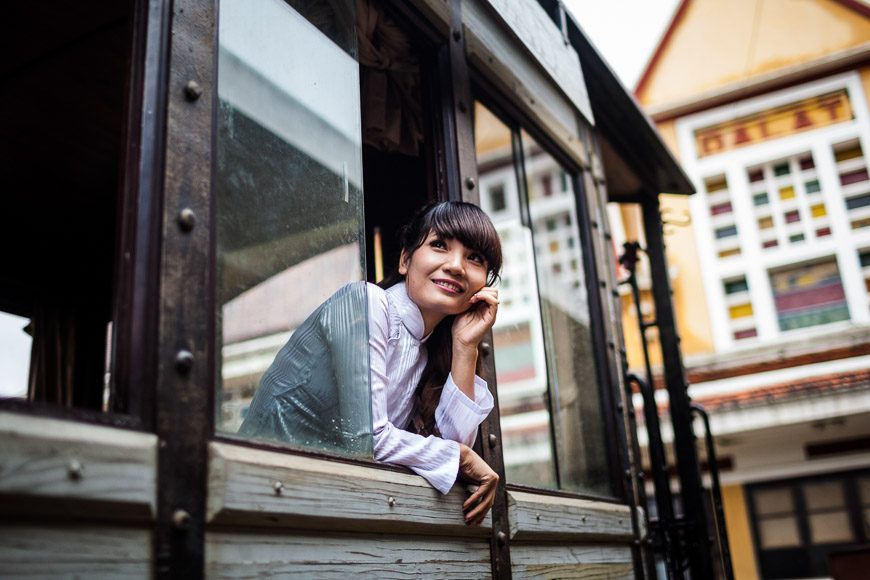
Anyone can wear an áo dài as a sign of respect. Fancy dinners, important meetings, and celebrations all provide suitable occasions to wear this dress. Remember to pair your áo dài with pants or trousers. If you’re looking for ready-to-wear áo dài, you’ll find numerous options in Hanoi’s Old Quarter and the Hội An Ancient Town. Hội An’s skilled tailors can create a brand new dress for you in just a matter of days. Feel free to choose your own style and colors to add a personal touch. For a truly unique experience, visit Vạn Phúc silk village, located just 20 minutes from Hanoi. Here, you can shop for high-quality silk, learn about silk-making, get your áo dài tailored, and take stunning photos amidst flowing silk ribbons.
To stay updated on the latest Vietnam travel ideas, sign up for our newsletter to receive our best stories in your inbox.


