
There are certain things traditional to Vietnam that leave a lasting impression on people from all over the world. One such thing is the Ao dai, a garment that showcases the elegance and beauty of Vietnamese culture.
A Blend of Influences
The exact origins of the Ao dai are still a topic of debate. It is believed to have been influenced by the Cheongsam, the imperial Chinese garment of the Qing Dynasty. However, the Ao dai stands out with its unique design. It is a fitted, full-length dress worn over loose-fitting trousers, split all the way from the waist down, contouring the pants. This style was introduced during the Nguyen Dynasty in 1744, when it became a requirement for both men and women to wear pants and a gown. It wasn’t until 1930 that the Ao dai took on the familiar shape we know today.
The Evolution of Ao Dai
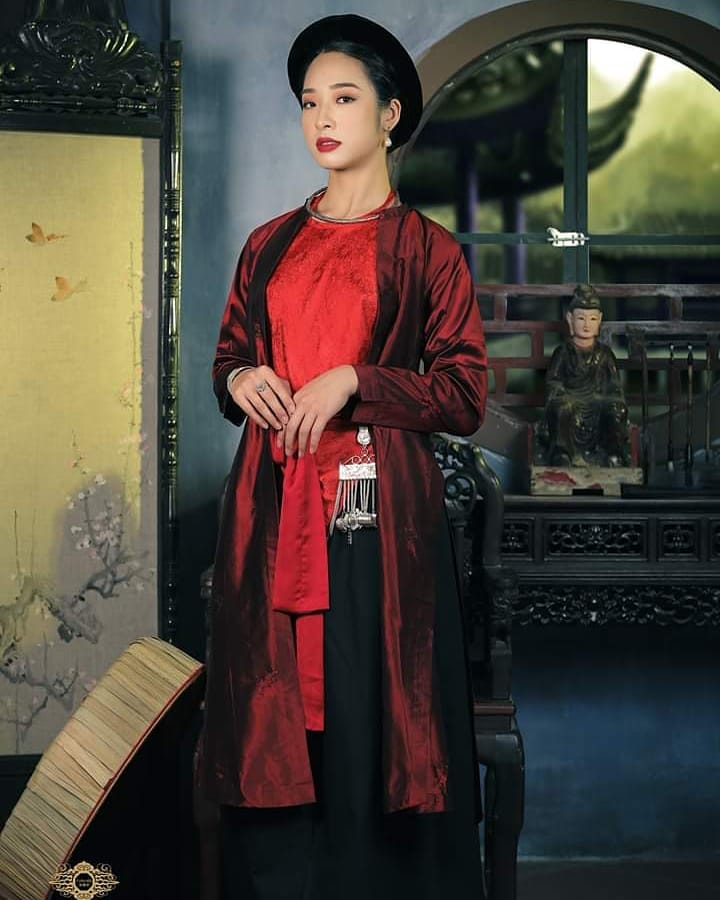
The Ao dai has undergone various transformations since its inception. It originated from the Ao tu than, a traditional dress worn by Vietnamese women for centuries. Over time, it evolved into the five-paneled dress that closely resembles the modern Ao dai. The earlier version featured five flaps, two in the back, two in the front, and one under the front lap. The modern Ao dai is more form-fitting, with a higher collar and no bodice underneath.
It is believed that in 1930, the Vietnamese fashion designer Cat Tuong (also known as Le Mur) modified the Ao dai to its current form. Cat Tuong, a graduate of the French Fine Arts College of Indochina, lengthened the top to reach the floor, reduced the amount of fabric used, and made the flaps slimmer. This version of the Ao dai was then called the Le Mur tunic.
Throughout the 20th century, the design of the Ao dai has seen numerous changes. From floral to checkered patterns, the use of transparent fabric, variations in the neck collar (ranging from boat to mandarin style), the shortening of the gown’s length, and different colors of the loose pants, the Ao dai has continuously evolved. The modern Ao dai we see today is tight-fitting, accentuating and flattering the curves of women. It is interestingly considered to cover everything, yet hide nothing, especially when made of thin or see-through fabric.
A Timeless Icon
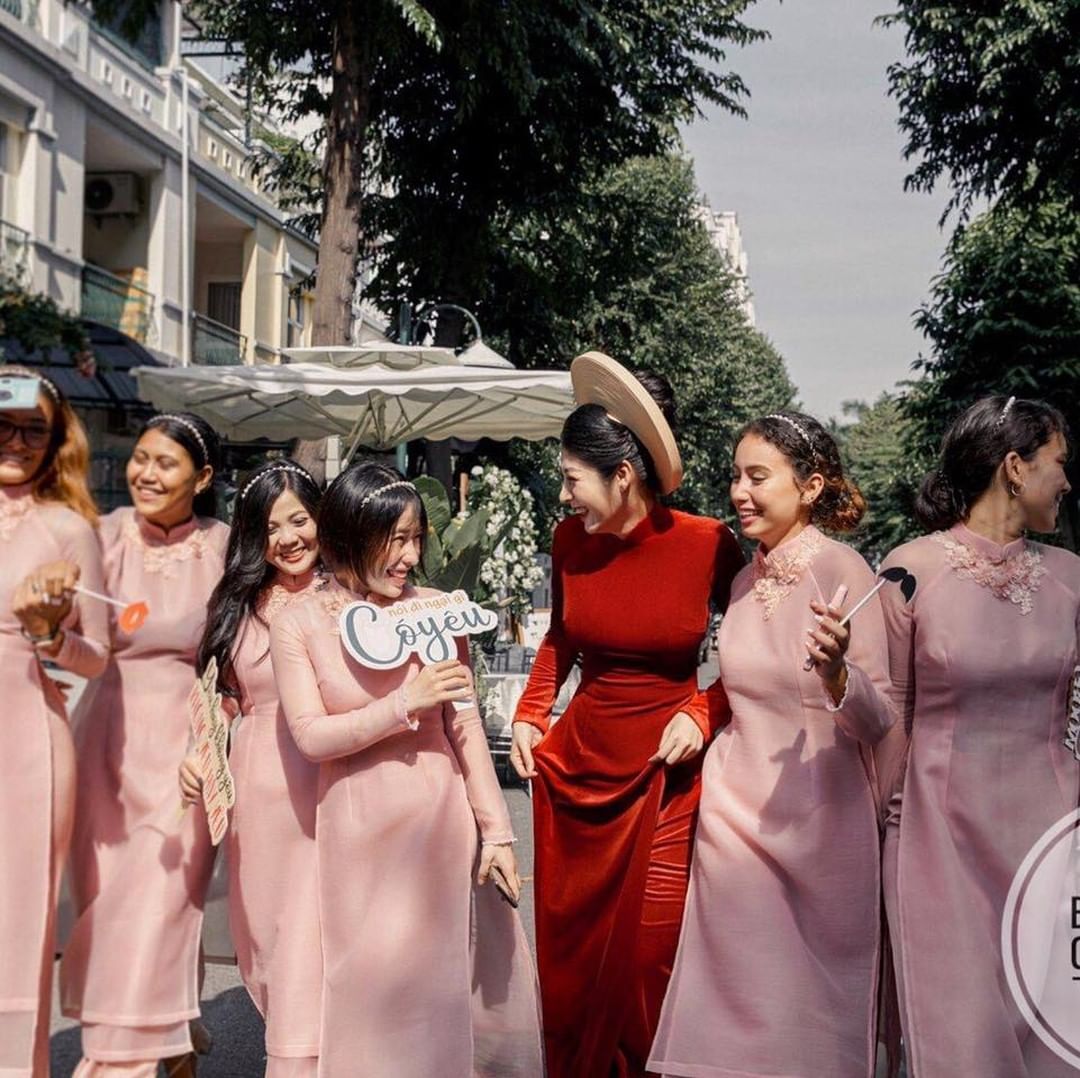
Unlike many traditional costumes that have faded with time, the Ao dai remains popular and influential in modern-day Vietnamese culture. Although it is no longer worn by men on a daily basis, women still embrace it on special occasions. The Ao dai is the favored dress for traditional festivities, Tet celebrations, weddings, and graduations. In some high schools and universities in Vietnam, the white Ao dai is even considered the uniform for female students.

A Souvenir of Beauty and Grace
The Ao dai truly honors the beauty of Vietnamese women and has become synonymous with the country’s identity. It is no wonder that foreigners often choose the Ao dai as their souvenir when leaving Vietnam, as it serves as a fond reminder of the captivating beauty of the country they have visited.
To learn more about the Ao dai and explore the rich Vietnamese culture, visit Rừng Cúc Phương. Immerse yourself in the allure of the Ao dai and experience the timeless traditions of Vietnam.


