
Bread and wheat products hold a special place in the cuisines of every country. From Europe to Asia, Africa to America, bread is universally loved, and Vietnam is no exception. While wheat and rice flour bread is not traditional, it plays an essential role in Vietnamese daily life.
Vietnamese baguette in the past
Vietnam has a long history as an agricultural country, with rice being the main staple. It wasn’t until 1859, when the French colonials entered Southern Vietnam, that bread became widely available throughout the country.
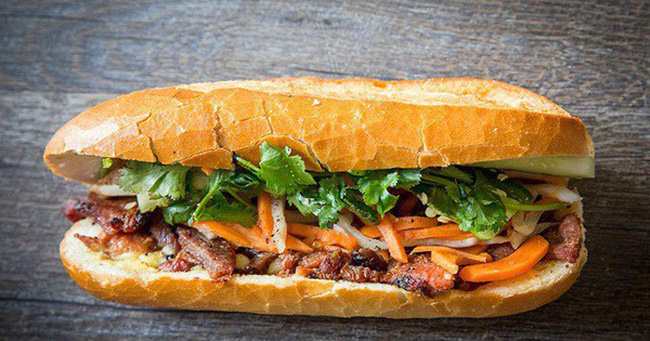
This imported food quickly gained popularity and assimilated into Vietnamese cuisine. The most noticeable evidence is the shape of the bread – small and long. Vietnamese bread originated from the French baguettes, traditionally associated with the working class such as drivers, porters, and blue-collar workers. This is why “banh mi Vietnam” has the shape of a baguette instead of a bun or roll. The baguette shape allows people to easily hold it with one hand and eat while working. Over time, the plain French baguette has evolved into the present “Banh mi Vietnam” in various ways.
A staple of Vietnamese diet
What amazes foreign travelers the most about “banh mi Vietnam” is that it’s not usually found in fancy shops with high-priced Western bread and cakes. Instead, you can find it at roadside stalls or street vendors located in alleys, bus terminals, and train stations. Small, freshly baked baguettes are kept warm in red hot coal braziers or bamboo baskets covered with woolen blankets.
The cry of street vendors resounding through the alleys of Hanoi – “Crisply hot bread for sale! Crisply hot bread for sale!” (Bánh mì nóng giòn nào!) – evokes nostalgic feelings not only for foreigners but also for Vietnamese people. Years ago, when Hanoi was quieter, the sound of street vendors symbolized tranquility. Even now, it still holds a special place in the hearts of Hanoians, especially those who return to visit after a long time away. These vendors have become a symbol of the good old days, filled with unforgettable memories.
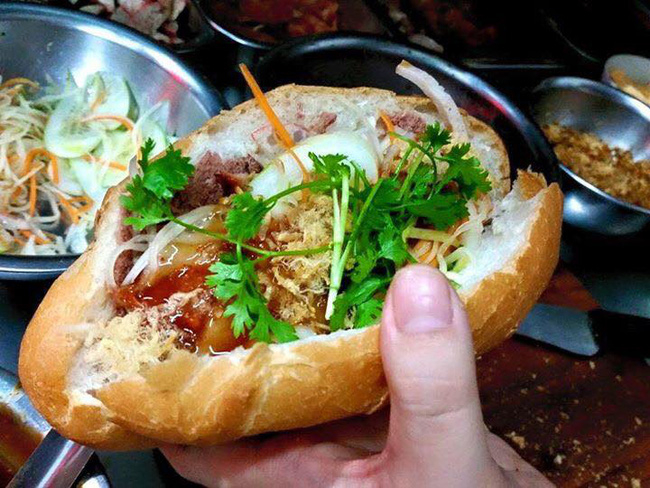
Another special aspect of “Banh mi Vietnam” is its diverse flavors. Once you take a bite of Vietnamese baguette, you will never forget the crunchiness of the crust, which is light, airy, and crispy. Vietnamese bakers do not add butter, shortening, or chicken fat. The dough consists of only wheat, rice flour, and quick-rise yeast. “Banh mi Vietnam” is incredibly affordable, costing only VND2000-VND3000 per loaf, which is why Vietnamese rarely bake their own bread at home.
Vietnamese baguette is also incredibly versatile, suitable for any time of the day. Depending on personal preference, it can be enjoyed with fried eggs, liver pâté, mayonnaise, or even condensed milk. Each region in Vietnam has its own famous version of “banh mi,” which can astound Western travelers coming from the birthplace of bread.
For more information about “Banh mi Vietnam,” visit Rừng Cúc Phương – your gateway to the delicious world of Vietnamese cuisine.


